Swedish Autumn and the Harvest
Useful sentences about harvest festivals, farm visits, picking and storing food, and the shared autumn meal.
Autumn in Sweden means markets, apples, mushrooms, berries and shorter days. These sentences move from the festival itself to the forest, the kitchen and a dinner where people stop to be grateful for the year.
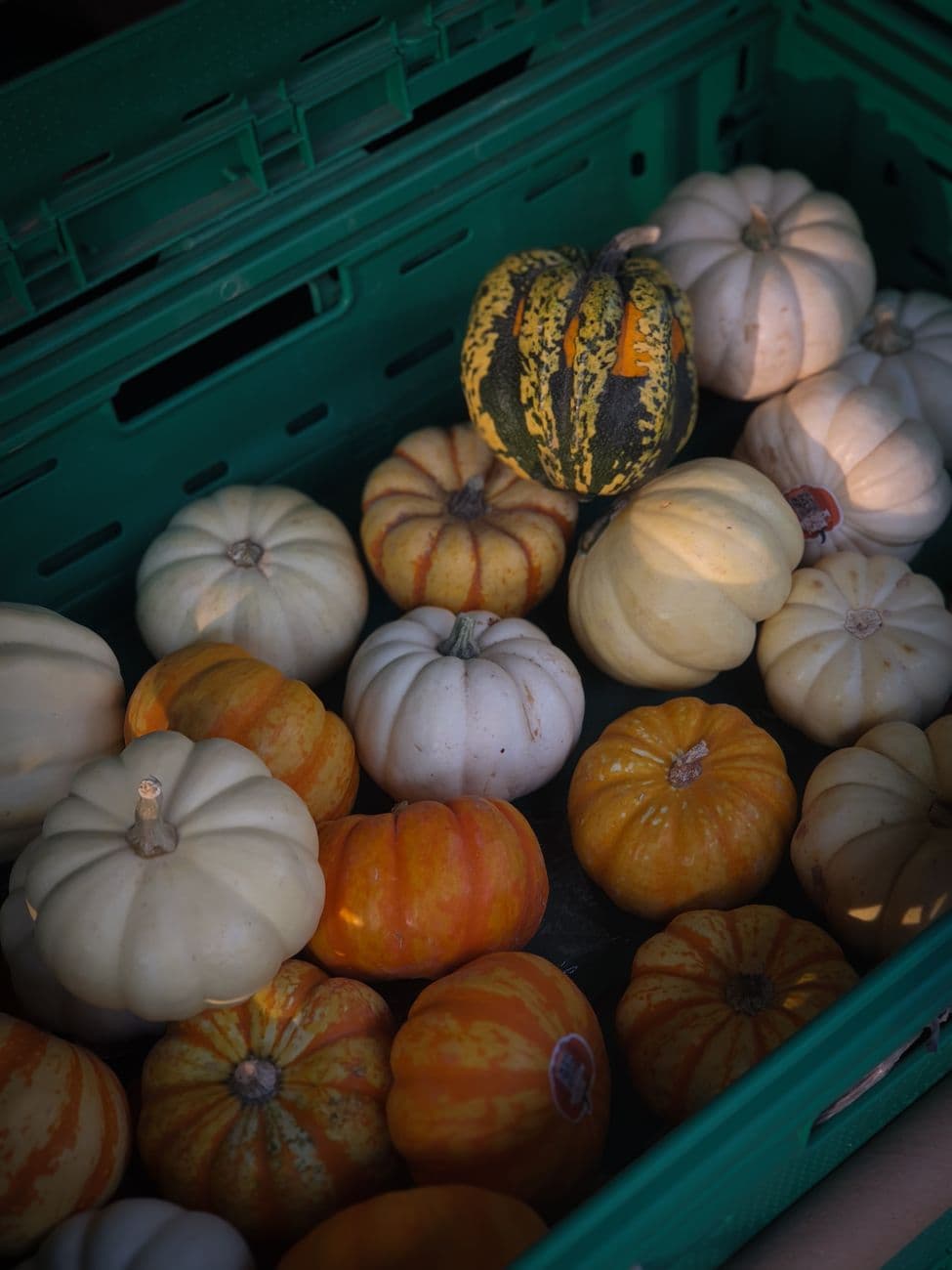
- 1
Många orter firar skördefest på hösten.
Many towns celebrate a harvest festival in autumn.
Tip: 'In autumn' = on the autumn.
- 2
Gårdarna öppnar sina dörrar för besökare.
Farms open their doors to visitors.
Tip: Their own doors = reflexive possessive.
- 3
Lokala producenter säljer sina varor på marknaden.
Local producers sell their goods at the market.
Tip: Goods = wares.
- 4
Man kan köpa allt från ost till honung.
You can buy everything from cheese to honey.
Tip: Everything from ... to ...
- 5
Det luktar kanel och nybakat bröd över hela marknaden.
It smells of cinnamon and freshly baked bread all over the market.
Tip: Smell + the thing directly, no preposition needed.
- 6
Det var lång kö vid ståndet med must.
There was a long queue at the juice stall.
Tip: No article before 'long queue'.
- 7
Barnen kan åka traktor.
Kids can ride on a tractor.
Tip: Ride on = travel + vehicle, no article.
- 8
Det är tävling om vem som har odlat den största pumpan.
There's a competition for who has grown the biggest pumpkin.
Tip: 'Who' as a subject in an embedded question needs an extra 'that' word.
- 9
Många gårdar har självplock.
Many farms have pick-your-own.
Tip: Literally 'self-pick'.
- 10
Äpplena brukar mogna i september.
The apples usually ripen in September.
Tip: Usually + infinitive. Months are lowercase.
- 11
Det har varit ett bra äppelår.
It's been a good year for apples.
Tip: Literally 'a good apple year'.
- 12
Regnet förstörde en del av skörden.
The rain ruined part of the harvest.
Tip: A part of = some of.
- 13
Bönderna är beroende av vädret.
Farmers depend on the weather.
Tip: Dependent 'of' the weather.
- 14
Det är billigare att köpa direkt av bonden.
It's cheaper to buy directly from the farmer.
Tip: Buy 'of' someone, not 'from'.
- 15
Jag köper gärna närproducerad mat.
I like to buy locally produced food.
Tip: Gladly = like to.
- 16
Många plockar svamp och bär i skogen på hösten.
Many people pick mushrooms and berries in the forest in autumn.
Tip: No plural on mushrooms here: picking mushroom as a mass.
- 17
Tack vare allemansrätten får man plocka bär i skogen.
Thanks to the right of public access, you may pick berries in the forest.
Tip: The 'everyman's right' to walk and pick freely in nature.
- 18
Vi gör saft och sylt av bären.
We make cordial and jam from the berries.
Tip: Make 'of' something.
- 19
Äpplen håller länge i en sval källare.
Apples keep for a long time in a cool cellar.
Tip: Keep = hold.
- 20
Vi köpte en säck potatis inför vintern.
We bought a sack of potatoes for the winter.
Tip: Before/ahead of = in preparation for.
- 21
Nu är det säsong för rotfrukter.
Now is the season for root vegetables.
Tip: No article before 'season'.
- 22
Vi bjuder hem vänner på middag med höstens råvaror.
We invite friends over for a dinner with autumn produce.
Tip: Invite home + 'on' dinner.
- 23
Det blir knytkalas, så alla tar med sig något.
It's a potluck, so everyone brings something.
Tip: A potluck party; everyone brings a dish.
- 24
Innan vi äter pratar vi om vad vi är tacksamma för.
Before we eat, we talk about what we're grateful for.
Tip: After a clause first, the verb comes before the subject.
- 25
Det känns skönt att varva ner efter en hektisk sommar.
It feels good to slow down after a hectic summer.
Tip: Slow down = rev down, like an engine.
- 26
Dagarna blir kortare och mörkare.
The days get shorter and darker.
Tip: Comparatives with -are.
- 27
Vi tänder ljus tidigare på kvällarna.
We light candles earlier in the evenings.
Tip: The same word means 'light' and 'candles'.
- 28
Vi gav bort en del av äpplena till grannarna.
We gave some of the apples away to the neighbours.
Tip: Give away = give off.
- 29
Nästa år vill jag odla mina egna grönsaker.
Next year I want to grow my own vegetables.
Tip: Verb second after 'next year'.
- 30
Skördefesten avslutas med musik och dans i ladan.
The festival ends with music and dancing in the barn.
Tip: Is ended = passive -s.