Eggplant, cilantro e jantar às seis
Os nomes americanos dos alimentos, as refeições, a pimenta e os hábitos.
O vocabulário de comida americano é diferente do britânico: eggplant e não aubergine (berinjela), cilantro e não coriander (coentro), zucchini e não courgette (abobrinha). Os nomes britânicos existem, mas nos EUA ninguém usa. E aqui se janta cedo, lá pelas 18h ou 19h — bem antes do que no Brasil.
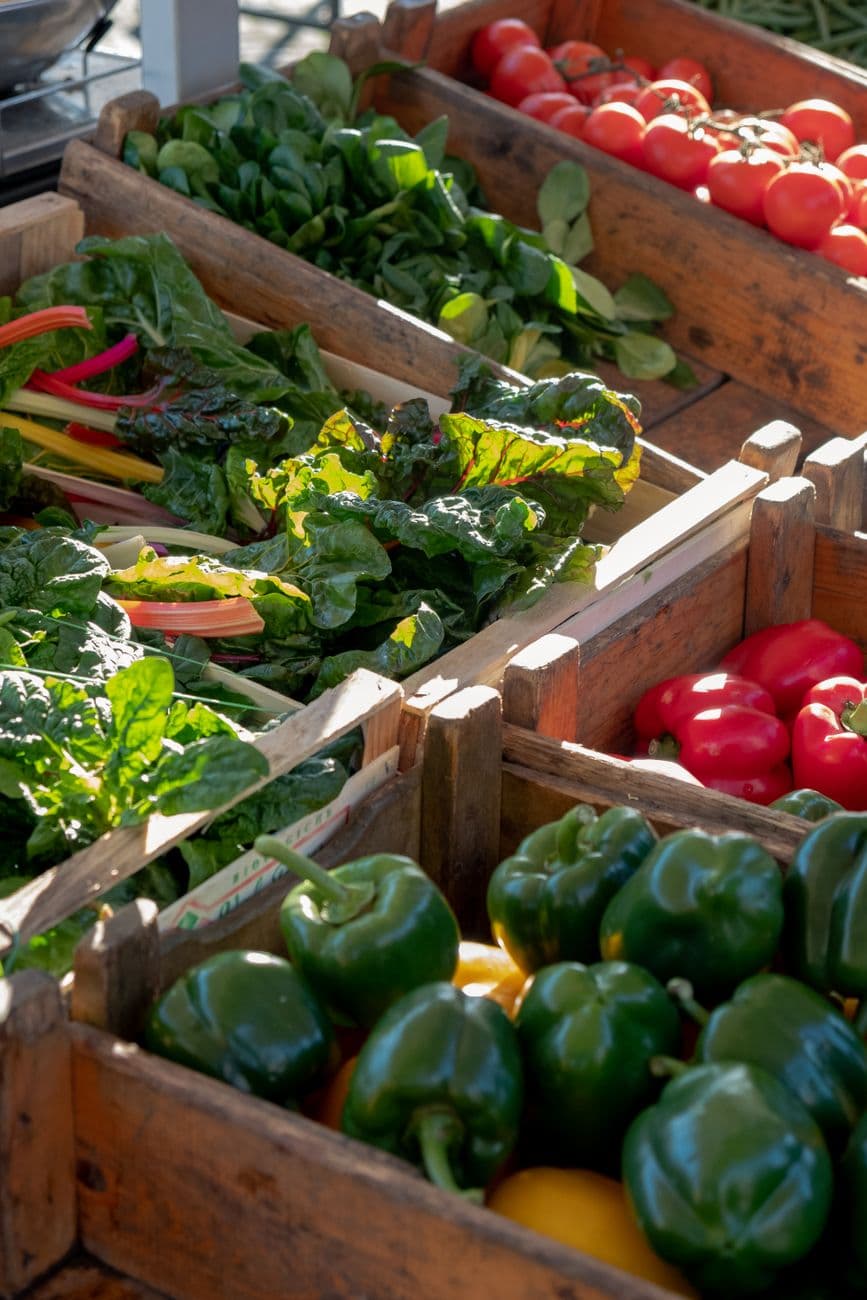
- 1
What do you call this vegetable here?
Como vocês chamam esse legume aqui?
- 2
It's eggplant here, not aubergine.
Aqui é eggplant, não aubergine.
- 3
And zucchini, not courgette.
E zucchini, não courgette.
- 4
Cilantro is the fresh coriander.
Cilantro é o coentro fresco.
- 5
That's confusing at first.
No começo isso confunde.
- 6
Where can I find real pão de queijo?
Onde eu acho pão de queijo de verdade?
- 7
At local bakeries, usually, yeah.
Nas padarias do bairro, normalmente, é.
- 8
Some big stores carry it too.
Alguns mercados grandes também vendem.
- 9
Is that dish very spicy?
Esse prato é muito apimentado?
- 10
Medium, I'd say.
Médio, eu diria.
- 11
I like it spicier.
Eu gosto mais apimentado.
- 12
Can I get some hot sauce?
Me vê um molho de pimenta?
- 13
What are the three meals here?
Quais são as três refeições aqui?
- 14
Breakfast, lunch, and dinner.
Café da manhã, almoço e jantar.
- 15
And brunch is the first two together.
E o brunch é as duas primeiras juntas.
- 16
Dinner is really early here.
Aqui o jantar é bem cedo.
- 17
Six or seven o'clock.
Umas seis ou sete horas.
- 18
We usually eat at nine.
A gente costuma comer às nove.
- 19
That's honestly a big cultural difference.
Isso é uma baita diferença cultural, sinceramente.
- 20
But we're adjusting slowly.
Mas a gente está se acostumando aos poucos.